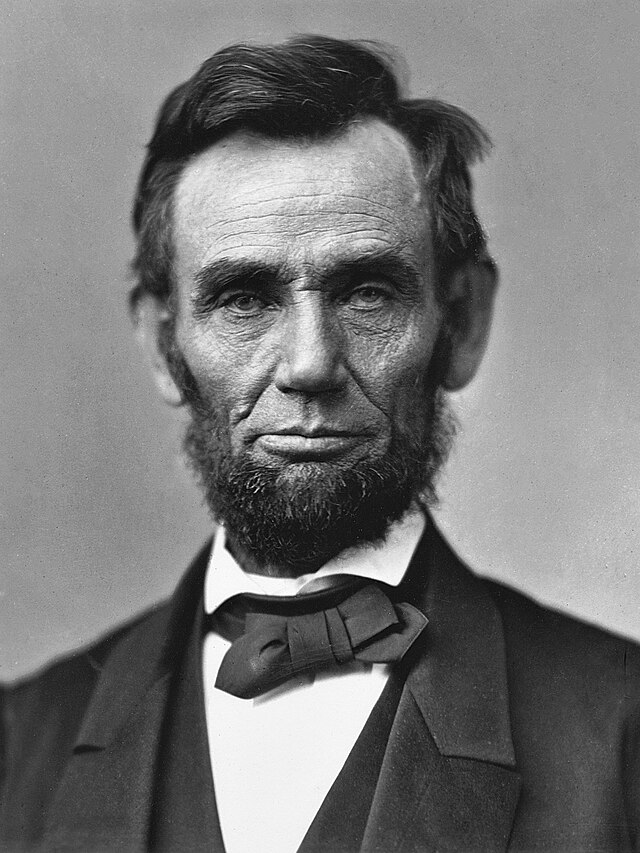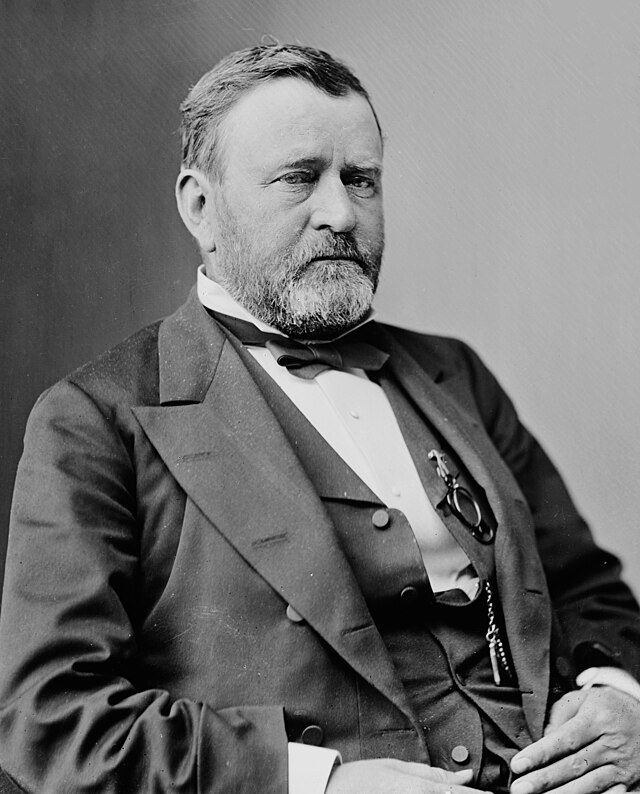
> ULYSSES S. GRANT
Union general and 18th U.S. president whose Civil War leadership helped preserve the United States and shape Reconstruction.
Overview
Ulysses S. Grant was one of the most important military and political figures in 19th-century American history. He rose to national fame as the Union general who led Northern forces to victory in the American Civil War. Later, as the 18th president of the United States, he worked to protect civil rights during the difficult years of Reconstruction.
Early Life
Grant was born Hiram Ulysses Grant in 1822 in Point Pleasant, Ohio, and grew up in nearby Georgetown. His father was a tanner, but Grant disliked the family business and showed more interest in horses than in leatherwork. He attended the U.S. Military Academy at West Point, where his name was mistakenly entered as Ulysses S. Grant, the version he kept for life. Although he was not a standout scholar, he developed discipline and practical military skills that later proved essential.
Military Career and Civil War Leadership
Grant first served in the Mexican-American War, where he gained battlefield experience under future Civil War leaders. After resigning from the army in the 1850s, he struggled in civilian life before returning to service when the Civil War began in 1861. His determination and aggressive strategy quickly drew attention. Grant won major victories at Fort Donelson, Vicksburg, and Chattanooga, weakening Confederate control of key regions. In 1864, President Abraham Lincoln placed him in command of all Union armies. Grant coordinated a relentless campaign against General Robert E. Lee and accepted Lee’s surrender at Appomattox Court House in April 1865.
Presidency and Legacy
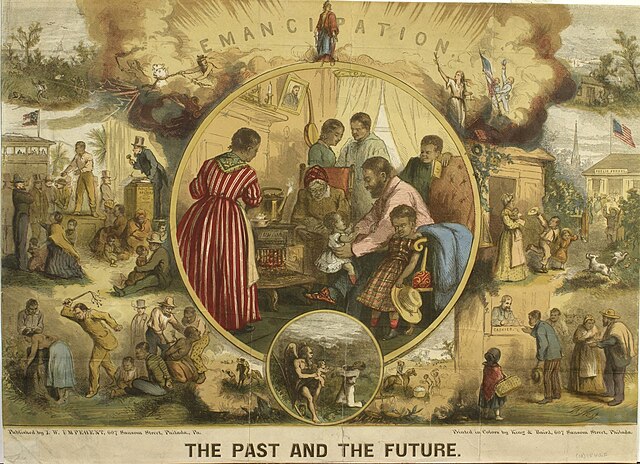
Grant served as president from 1869 to 1877. His administration strongly supported the rights of formerly enslaved people and used federal power to combat white supremacist violence, including the Ku Klux Klan. However, his presidency was also damaged by corruption scandals involving some associates, even though Grant himself was generally seen as personally honest. Historians today view him more favorably than they once did, especially for his role in preserving the Union and defending Black citizenship during Reconstruction.
Did You Know?
- Grant’s victory at Vicksburg gave the Union control of the Mississippi River.
- He and Robert E. Lee had both served in the Mexican-American War.
- Grant wrote a highly praised memoir while dying of throat cancer.
- His initials led soldiers to nickname him “Unconditional Surrender” Grant.