> BERLIN WALL
1961–1989LANDMARKS
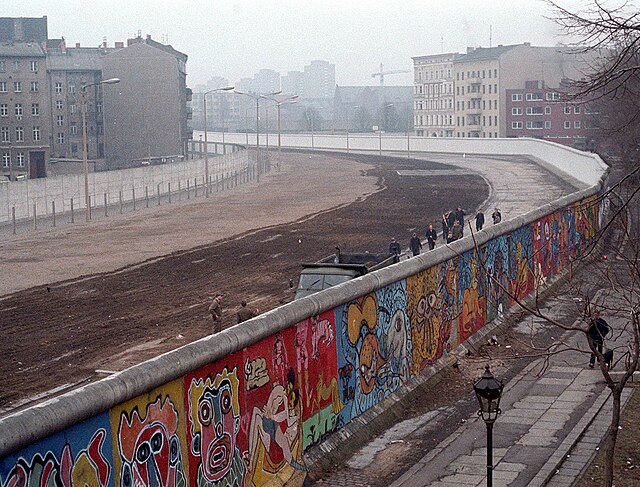
Concrete barrier dividing East and West Berlin during the Cold War, symbolizing ideological conflict and division.
Written and maintained by Henry MontillaPage updated
Overview
The Berlin Wall was a powerful symbol of the Cold War, dividing East and West Berlin for nearly three decades. It represented the political and ideological divide between communism and democracy. Its fall marked a major turning point in world history.
Key Facts
- Location: Berlin, Germany
- Built: 1961
- Fell: 1989
- Length: ~155 km
- Purpose: Prevent emigration
History
The wall was constructed by East Germany to stop citizens from fleeing to the West. It became heavily guarded and fortified.
Structure
It consisted of concrete walls, guard towers, and a “death strip.” Security measures made escape extremely dangerous.
Impact / Legacy
The fall of the Berlin Wall symbolized the end of the Cold War. It led to German reunification and major geopolitical changes.
Did You Know?
- Over 100 people died trying to cross it.
- It fell on November 9, 1989.
- Parts of it still stand today.
- It became a canvas for street art.