> COLOSSEUM
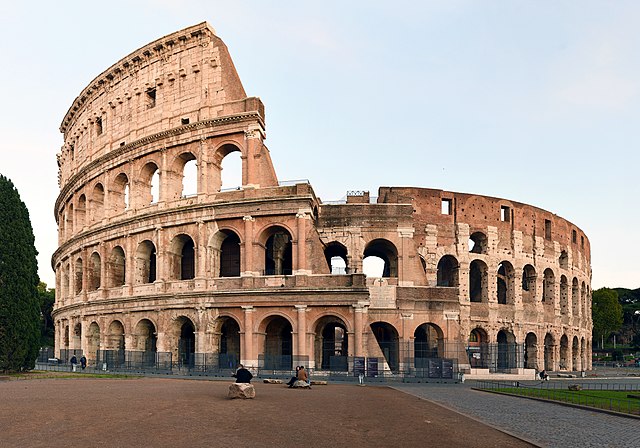
Massive Roman amphitheater in Rome used for gladiatorial contests and public spectacles, symbolizing the power of the Roman Empire.
Overview
The Colosseum is one of the most recognizable landmarks of ancient Rome, known for its grand scale and historical significance. It served as a venue for gladiator battles, animal hunts, and public entertainment. Today, it stands as a symbol of Roman engineering and cultural influence.
Key Facts
- Location: Rome, Italy
- Built: 70–80 AD
- Capacity: 50,000–65,000 spectators
- Commissioned by: Emperor Vespasian
- Type: Amphitheater
History
Construction began under Emperor Vespasian and was completed by his son Titus. The Colosseum hosted events for centuries, including gladiator fights and mock naval battles. Over time, it fell into disrepair due to earthquakes and stone theft.
Architecture
Built from concrete and stone, the Colosseum features a complex system of arches and vaults. Its design allowed for efficient crowd management and included underground tunnels known as the hypogeum. The structure showcased Rome’s advanced engineering capabilities.
Impact / Legacy
The Colosseum remains a powerful symbol of ancient Rome’s grandeur and social culture. It attracts millions of visitors each year and influences modern stadium design. It also serves as a reminder of the empire’s entertainment practices.
Did You Know?
- It could be filled with water for mock naval battles.
- The hypogeum housed animals and gladiators before events.
- It has been partially destroyed by earthquakes.
- It is one of the most visited monuments in the world.