> BILL OF RIGHTS 1689
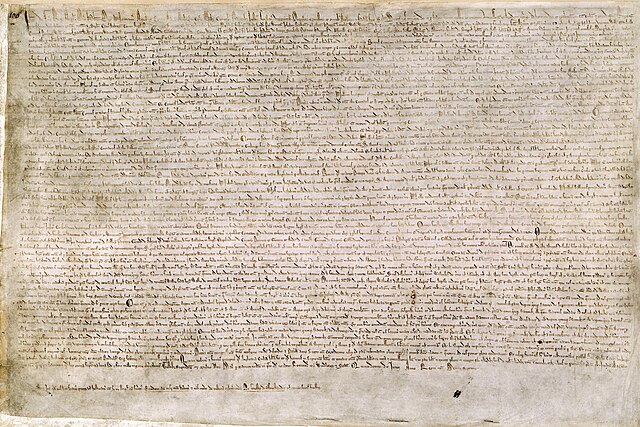
English law that limited royal power and established parliamentary authority and civil rights.
Overview
The Bill of Rights of 1689 is a foundational document in British constitutional history. It limited the powers of the monarchy and established key rights for Parliament and citizens.
Background
The document emerged after the Glorious Revolution, when King James II was replaced by William III and Mary II. It was designed to prevent abuses of power by the monarchy.
Content
The Bill of Rights established principles such as regular parliaments, free elections, and protection from cruel punishment. It also limited the monarch’s ability to suspend laws without Parliament’s consent.
Impact
The document influenced the development of constitutional monarchy in Britain and inspired similar principles in other countries, including the United States.
Legacy
It remains a cornerstone of democratic governance and the rule of law.
Did You Know?
- It followed the Glorious Revolution.
- It limited royal authority significantly.
- It influenced the U.S. Constitution.
- It is still part of UK law today.