> IRON CURTAIN CHECKPOINT
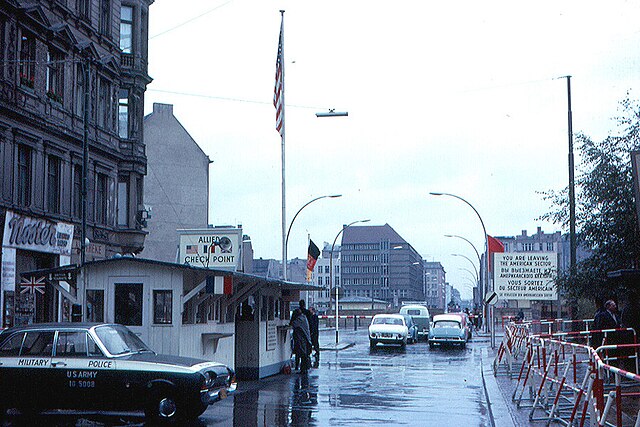
Border control points along the Iron Curtain symbolizing division between Eastern and Western Europe during the Cold War.
Overview
Iron Curtain checkpoints were heavily controlled border crossings that separated Eastern and Western Europe during the Cold War. These checkpoints symbolized the deep political and ideological divide between the communist Eastern Bloc and the democratic Western nations. They became powerful representations of restricted movement, surveillance, and geopolitical tension.
Background
After World War II, Europe was divided into two spheres of influence. The Soviet Union controlled Eastern Europe, while Western Europe aligned with the United States and its allies. The term “Iron Curtain,” popularized by Winston Churchill, described this division. Physical barriers, fences, and checkpoints were established to prevent movement between the two regions.
Structure and Function
Checkpoints along the Iron Curtain were heavily guarded and monitored. They included watchtowers, barbed wire fences, minefields, and strict documentation controls. Crossing was limited to diplomats, military personnel, and a small number of civilians with special permission. One of the most famous checkpoints was Checkpoint Charlie in Berlin.
Human Impact
These checkpoints separated families, limited freedom, and created a climate of fear. Many people attempted dangerous escapes, some risking their lives to cross into the West. The presence of these barriers highlighted the human cost of political division.
Legacy
With the end of the Cold War and the fall of the Berlin Wall, most checkpoints were dismantled. Today, they serve as historical reminders of a divided Europe and the importance of freedom of movement.
Did You Know?
- Checkpoint Charlie was one of the most famous crossing points.
- Many checkpoints had armed guards and surveillance systems.
- Escape attempts were common despite extreme risks.
- Most barriers were removed after 1989.