> CHARLES DE GAULLE
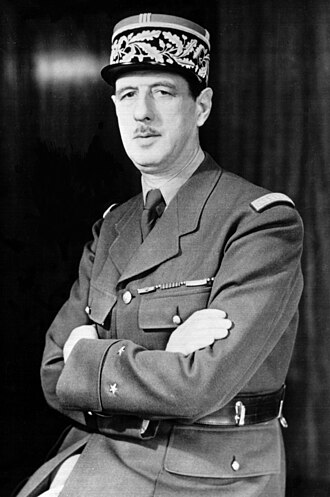
French general and statesman who led Free France in WWII and later founded the Fifth Republic.
Overview
Charles de Gaulle was one of the most influential figures in modern French history. As leader of the Free French forces during World War II and later president of France, he played a key role in restoring national pride and shaping the country’s political system. His leadership combined military determination with a strong vision of independence.
Early Life
De Gaulle was born in 1890 in Lille, France, into a patriotic and intellectually engaged family. He pursued a military career and served in World War I, where he was wounded and captured by German forces. These experiences shaped his understanding of warfare and national identity.
World War II Leadership
After France fell to Nazi Germany in 1940, de Gaulle refused to accept defeat. From London, he delivered a famous radio broadcast calling on the French people to continue resisting. He organized the Free French movement and worked with Allied forces to liberate France. His leadership ensured that France remained an important global power after the war.
Presidency and Reforms
In 1958, amid political instability, de Gaulle returned to power and established the Fifth Republic. He strengthened the executive branch and stabilized French governance. As president, he pursued an independent foreign policy, emphasizing national sovereignty.
Legacy
De Gaulle is remembered as a symbol of resilience and leadership. His impact on French politics and identity remains significant, and he is widely regarded as one of France’s greatest leaders.
Did You Know?
- De Gaulle’s 1940 speech became a symbol of resistance.
- He served as president from 1959 to 1969.
- He promoted French independence in global affairs.
- He resigned after losing a referendum.