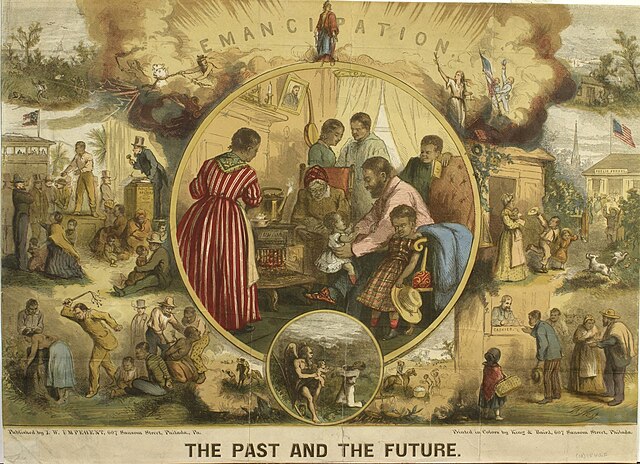
> EMANCIPATION PROCLAMATION
Presidential order by Abraham Lincoln declaring the freedom of enslaved people in Confederate states during the American Civil War.
Overview
The Emancipation Proclamation was issued by President Abraham Lincoln on January 1, 1863, during the American Civil War. It declared that enslaved people in Confederate-held territories were free. The document marked a turning point in the war and in U.S. history.
Key Facts
- Issued: January 1, 1863
- President: Abraham Lincoln
- Context: American Civil War
- Scope: Confederate states
- Purpose: End slavery in rebelling regions
Background
As the Civil War progressed, Lincoln sought to weaken the Confederacy and redefine the war’s purpose. The proclamation aimed to undermine the South’s labor system and add a moral cause to the Union effort.
Content
The order declared enslaved individuals in Confederate states to be free but did not immediately apply to border states or Union-held areas. It also allowed Black men to join the Union Army.
Impact / Legacy
The Emancipation Proclamation paved the way for the abolition of slavery in the United States. It shifted the war’s focus toward human freedom and justice, influencing the eventual passage of the 13th Amendment.
Did You Know?
- It did not immediately free all enslaved people.
- It transformed the Civil War into a fight against slavery.
- Nearly 180,000 Black soldiers joined the Union Army.
- It is considered one of Lincoln’s most important acts.