> HIROSHIMA AND NAGASAKI BOMBINGS
The atomic bombings of Hiroshima and Nagasaki in August 1945 helped bring World War II to a close and reshaped global history.
Overview
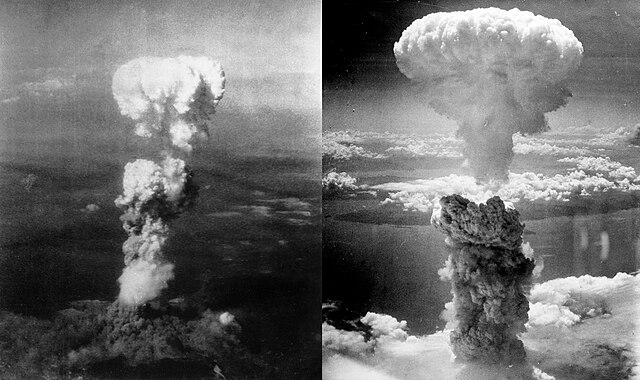
The Hiroshima and Nagasaki bombings were the first and only wartime uses of atomic weapons. On August 6, 1945, the United States dropped an atomic bomb on Hiroshima, Japan. Three days later, on August 9, a second bomb was dropped on Nagasaki. These attacks occurred during the final days of World War II and were followed by Japan’s surrender on August 15, 1945.
The bombings caused massive destruction, immediate loss of life, and long-term suffering from radiation exposure. They remain among the most significant and controversial events in modern history, shaping debates about war, ethics, nuclear weapons, and international security.
Background
By mid-1945, World War II in Europe had ended, but fighting in the Pacific continued. Japan had suffered heavy losses, yet its government had not accepted unconditional surrender. American leaders feared that a full invasion of the Japanese home islands would result in extremely high casualties for both sides.
The atomic bombs were developed through the Manhattan Project, a secret U.S.-led research program involving scientists, military officials, and industrial workers. After the successful Trinity test in July 1945 in New Mexico, the United States had a new weapon of unprecedented destructive power. President Harry S. Truman approved its use as the war continued.
The Bombings
The bomb dropped on Hiroshima was a uranium-based weapon nicknamed Little Boy. It was released from the B-29 bomber Enola Gay and detonated over the city on the morning of August 6. Hiroshima, an important military and industrial center, was devastated. Tens of thousands died almost immediately, and many more later died from burns, injuries, and radiation sickness.
On August 9, the United States dropped a second atomic bomb, Fat Man, on Nagasaki from the B-29 Bockscar. Nagasaki was also a major industrial city. Although its hilly terrain limited some of the blast effects compared with Hiroshima, the explosion still killed tens of thousands and destroyed large parts of the city.
Estimates vary, but by the end of 1945, roughly 140,000 people in Hiroshima and about 70,000 in Nagasaki had died as a result of the bombings and their aftermath.
Impact and Legacy
The bombings played a major role in Japan’s decision to surrender, alongside the Soviet Union’s entry into the war against Japan on August 8, 1945. Emperor Hirohito announced Japan’s surrender on August 15, and the formal signing took place on September 2, ending World War II.
The long-term impact was profound. Survivors, known in Japan as hibakusha, often faced lifelong health problems, including cancers and other radiation-related illnesses. The bombings also transformed global politics by beginning the nuclear age and intensifying the arms race during the Cold War.
Historians continue to debate whether the bombings were necessary to end the war quickly or whether alternative options could have avoided such catastrophic civilian deaths. What is undisputed is their historical importance and their lasting warning about the human cost of nuclear warfare.
Did You Know?
- Hiroshima’s bomb, Little Boy, used uranium, while Nagasaki’s Fat Man used plutonium.
- The Hiroshima bombing occurred on August 6, 1945, and the Nagasaki bombing followed just three days later.
- Survivors of the atomic bombings are known as hibakusha, a Japanese term meaning “bomb-affected people.”
- Hiroshima and Nagasaki later became major global symbols of peace and nuclear disarmament.