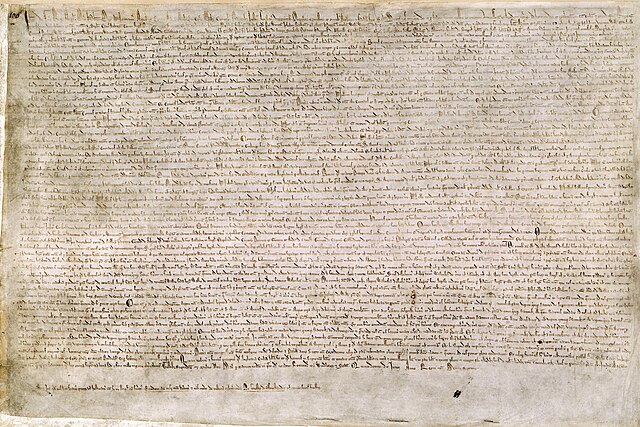
> MAGNA CARTA
Historic English charter limiting royal power and establishing early principles of law and individual rights.
Overview
The Magna Carta is a foundational legal document signed in 1215 that limited the powers of the English king. It is considered one of the earliest steps toward constitutional government and the rule of law. Its influence extends to modern legal systems worldwide.
Key Facts
- Signed: 1215
- Location: England
- King: John of England
- Purpose: Limit royal authority
- Language: Latin
Background
King John faced rebellion from English barons due to heavy taxation and abuses of power. To resolve the conflict, he agreed to the Magna Carta, which set legal limits on his authority.
Content
The charter established that the king was subject to the law. It included protections for barons and outlined rights such as fair trial and due process.
Impact / Legacy
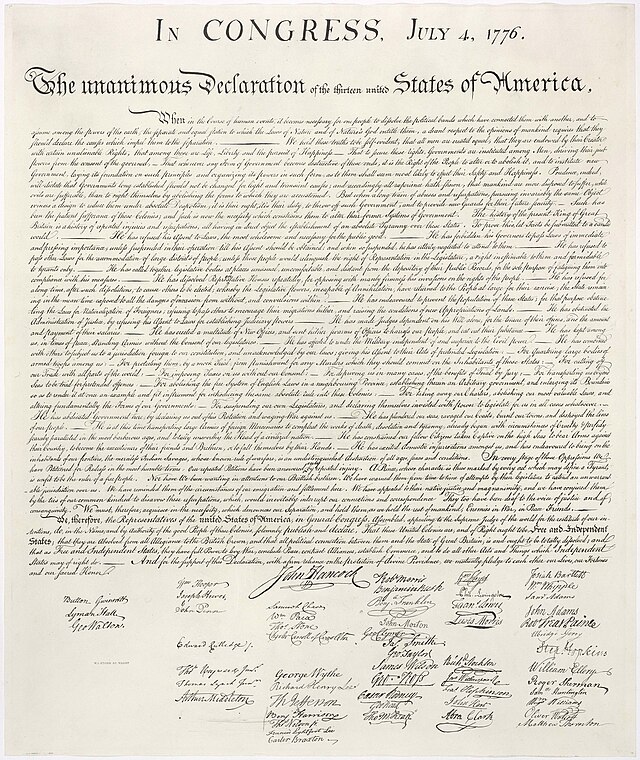
The Magna Carta became a cornerstone of constitutional law. It influenced documents like the U.S. Constitution and the Bill of Rights, shaping modern democracy.
Did You Know?
- Only a few original copies still exist today.
- It was initially annulled shortly after being signed.
- It inspired many future legal systems.
- It introduced the idea that no one is above the law.